
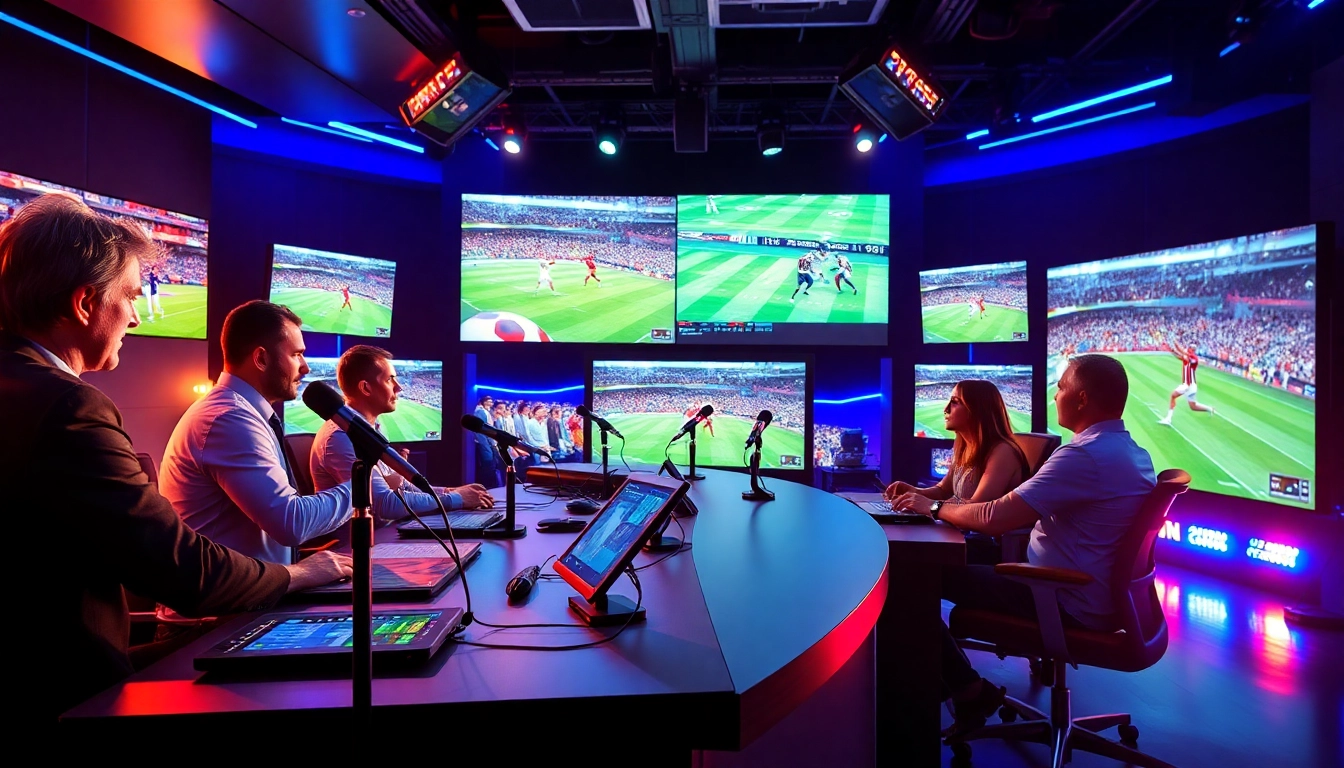
Understanding Sports Broadcasting
What is Sports Broadcasting?
Sports broadcasting refers to the distribution of live or recorded sports-related content to audiences through various media channels, including television, radio, and online platforms. The essence of sports broadcasting lies in its ability to connect fans with their favorite sports and events, transforming the viewing experience into something dynamic and engaging. By providing commentary, analysis, and visuals, sports broadcasters play a crucial role in enhancing audience engagement and comprehension of the game. In an era where content consumption habits are rapidly changing, understanding the nuances of Sports Broadcasting is essential for anyone looking to enter the field.
The Evolution of Sports Broadcasting
The journey of sports broadcasting has been nothing short of revolutionary. Beginning with simple radio broadcasts in the early 20th century, it has evolved through various technological advancements such as television and, more recently, live streaming platforms. The introduction of color television in the 1960s transformed sporting events into visually captivating experiences. In the digital age, sports broadcasting now includes in-depth analyses, interactive features, and real-time statistics, which have all contributed to an enriched viewer experience. Each phase of this evolution has broadened accessibility, bringing sports into homes across the globe.
Key Components of Sports Broadcasting
Several key components contribute to the success of sports broadcasting:
- Content Production: This includes pre-game shows, live commentary, post-game analyses, and highlight reels.
- Transmission Technology: Broadcasting methods can vary from terrestrial to digital satellite and online streaming, each offering different benefits.
- Audience Interaction: Engaging with viewers through social media, polls, and Q&A sessions significantly enhances viewer loyalty.
- Advertising: Revenue generation through advertisements is fundamental for sports broadcasters, impacting the financial sustainability of the programs.
Essential Tools and Technologies
Broadcasting Equipment Overview
Tooling up for sports broadcasting requires an array of specialized equipment:
- Cameras: High-definition cameras provide the visual clarity crucial for sports broadcasts, with multiple angles enhancing viewer experience.
- Microphones: Quality audio equipment ensures clear commentary and enhances sound effects during broadcasts.
- Mixing Devices: Audio and video mixers allow broadcasters to switch between different feeds seamlessly, ensuring a smooth viewing experience.
- Graphics Systems: Graphics play a vital role in displaying scores, player stats, and other information that enriches the viewer’s understanding.
- Transmission Systems: Systems that facilitate the broadcast across different platforms are fundamental in reaching a wider audience.
Software for Sports Broadcasting
Modern sports broadcasting heavily relies on innovative software solutions:
- Video Editing Software: Tools like Adobe Premiere Pro or Final Cut Pro are essential for creating highlight reels and pre-recorded segments.
- Graphics Creation Tools: Applications such as After Effects are vital for producing dynamic graphics needed for live broadcasts.
- Streaming Platforms: Software like OBS Studio or vMix allows for high-quality live streaming, integrating multiple video feeds and overlays.
- Analytics Software: Programs that analyze viewership data help broadcasters understand audience behavior and preferences.
The Role of Live Streaming Platforms
The rise of live streaming platforms has dramatically reshaped sports broadcasting. Services such as YouTube Live, Twitch, and specialized sports networks enable broadcasters to reach audiences directly, bypassing traditional cable systems. This direct approach allows for interactive elements such as chat features, polls, and audience Q&A sessions, fostering a community atmosphere. Furthermore, streaming platforms provide flexibility, enabling viewers to watch on various devices, enhancing accessibility unlike traditional broadcasting methods.
Best Practices in Sports Broadcasting
Preparing for a Live Broadcast
Preparation is critical for successful sports broadcasting. Broadcasters should conduct thorough research on teams, players, and current statistics. Creating a detailed running order ensures that all segments of the broadcast flow smoothly. Rehearsals allow teams to iron out technical issues and understand pacing. It is also vital to maintain checklists of all equipment to avoid last-minute mishaps during live broadcasts.
Engaging Your Audience
Engagement is key in sports broadcasting. Utilizing social media platforms to create interactive content, such as live polls or Q&A sessions, bridges the gap between broadcasters and viewers. Incorporating real-time stats and graphics during the broadcast captivates viewers, keeping them informed and engaged. Broadcasters should also be adept at reading audience sentiment and adjusting their approach based on viewer reactions to sustain interest.
Managing Broadcast Challenges
Broadcasting sports live comes with its unique set of challenges. Technical issues can arise at any moment, necessitating a contingency plan. Broadcasters should have experienced technical teams on standby ready to troubleshoot any problems. Weather interruptions and unforeseen circumstances during outdoor broadcasts require flexibility and adaptability, including developing engaging content that can fill unexpected downtime.
Case Studies in Successful Sports Broadcasting
Analyzing Pioneering Sports Broadcasters
Examining pioneering sports broadcasters provides valuable insights into effective strategies and innovations. For example, certain networks have revolutionized the broadcasting experience by embracing digital platforms, allowing fans to interact with broadcasts through augmented reality and enhanced graphics. Such innovations not only attract larger audiences but also integrate advanced storytelling and viewer experience techniques.
Lessons from Major Sports Events
Major sporting events like the Olympics or World Cup serve as case studies illustrating successful sports broadcasting strategies. The implementation of technical innovation, such as drone coverage or 360-degree video, significantly enhances the viewer experience. Additionally, these events underscore the importance of global perspective in broadcasting, with multilanguage commentary catering to diverse audiences worldwide.
Impact of Social Media on Sports Broadcasting
Social media has transformed the landscape of sports broadcasting, facilitating instantaneous communication with fans. Highlights, behind-the-scenes content, and player interviews shared on platforms like Twitter and Instagram create additional touchpoints for audience engagement. Broadcasters now strategically incorporate social media content into their broadcasts, enhancing the interactive experience for viewers.
Measuring Success in Sports Broadcasting
Key Performance Indicators
To gauge the success of a sports broadcast, several key performance indicators (KPIs) should be monitored. Metrics such as viewer ratings, audience engagement levels, and social media interactions provide insight into the broadcast’s impact. Analyzing these indicators allows broadcasters to refine their strategies and measure the effectiveness of their promotional campaigns.
Gathering Audience Feedback
Collecting audience feedback is crucial for continuous improvement in sports broadcasting. Surveys, social media polls, and direct viewer engagement during broadcasts help gather opinions on various aspects of the show. Understanding viewer preferences regarding commentary styles, content types, and presentation formats empowers broadcasters to tailor their offerings to align with the audience’s expectations.
Trends Shaping Future Sports Broadcasting
Emerging technologies are continuously shaping the future of sports broadcasting. Trends such as virtual reality (VR) and augmented reality (AR) are on the rise, providing immersive experiences that captivate viewers. Furthermore, artificial intelligence (AI) will play a role in personalized content distribution, targeting specific demographics based on ongoing viewer data analysis. As these technologies evolve, sports broadcasting will become increasingly engaging and tailored to audiences’ preferences.
FAQs
What is sports broadcasting?
Sports broadcasting involves distributing live or recorded sports content through various media channels, enabling fans to engage with their favorite sports and events in real time.
What technologies are essential for sports broadcasting?
Key technologies include high-definition cameras, audio equipment, mixing devices, graphics systems, and advanced software for editing and streaming.
How can I engage my audience during a broadcast?
Engagement can be enhanced through interactive social media content, real-time statistics, and fostering communication with viewers via polls or Q&A sessions.
What are some challenges faced in sports broadcasting?
Common challenges include technical issues, weather interruptions, and the need for flexible content strategies to manage unexpected situations during live broadcasts.
How do I measure success in sports broadcasting?
Success can be measured through key performance indicators such as viewer ratings, audience engagement levels, and direct feedback collected from viewers through various means.